
India Travel Guide for First-Timers: 10 Essential Tips Before You Visit

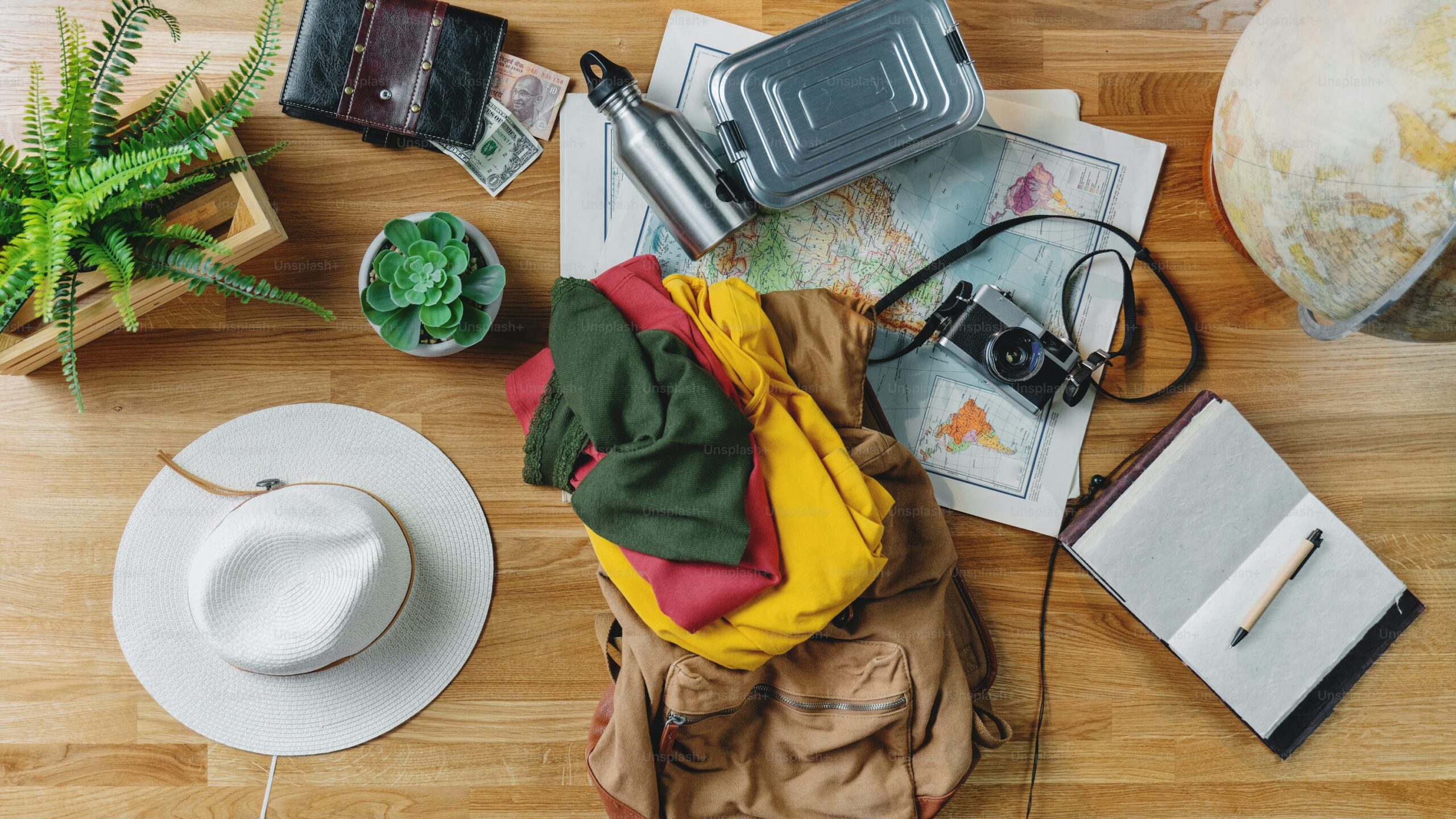
India is one of the world’s most captivating destinations—vibrant, diverse, colourful, and culturally rich. For first-time visitors, the country can feel both exciting and overwhelming. This India Travel Guide for First-Timers provides complete, professional insights on visas, safety, etiquette, transportation, packing, money, and essential travel tips to help you plan a smooth and enjoyable trip.
1. Visa Requirements for Visiting India – https://indianvisaonline.gov.in/
Most international travellers are required to obtain an e-Visa before entering India. Types of e-Visas include:
-
e-Tourist Visa
-
e-Business Visa
-
e-Medical Visa
Guidelines:
-
Apply at least 4–7 days before your travel date.
-
Ensure your passport is valid for a minimum of 6 months.
-
Carry a digital and printed copy of your visa approval.
Applying early ensures a hassle-free arrival experience.
2. Best Time to Visit India
India experiences a wide range of climatic conditions, so choosing the right season is important.
October to March: Ideal for first-time visitors due to pleasant weather and comfortable sightseeing conditions.
April to June: Suitable for destinations like Kashmir, Himachal Pradesh, and Uttarakhand.
July to September: Best for monsoon lovers, especially Kerala and the Western Ghats.
3. Essential Travel Tips for First-Time Visitors
These practical suggestions will help make your journey more comfortable and safe:
-
Drink only bottled or purified water.
-
Purchase a local SIM card from Airtel or Jio for strong network coverage.
-
Keep a balance of cash and digital payment options; UPI is widely accepted.
-
Download offline maps for areas with limited connectivity.
4. Culture and Etiquette in India
India’s cultural values are rooted in respect, tradition, and hospitality. Understanding basic etiquette enhances your travel experience.
Do:
-
Remove footwear before entering temples or certain homes.
-
Dress modestly at religious sites.
-
Ask permission before taking photos of people.
Avoid:
-
Public displays of affection in conservative locations.
-
Entering restricted temple areas without guidance.
-
Bringing leather items into certain temples.
5. Transportation Tips for First-Time Travelers
India offers multiple transportation options for different budgets and travel styles.
Ride-Sharing Apps
Uber and Ola are reliable, safe, and transparent in pricing.
Railways
India’s railway network is extensive and cost-effective for long-distance travel. Book tickets early via IRCTC.
Domestic Flights
Affordable and suitable for covering long routes efficiently.
Safety recommendation: avoid unregistered taxis and verify vehicle details before boarding.
6. Safety Tips Before Visiting India
India is generally safe for tourists, but basic precautions are advisable:
-
Avoid isolated areas late at night.
-
Keep personal belongings secure and avoid displaying valuables.
-
Do not accept food or drinks from unknown individuals on trains or buses.
-
Use hotel safes for important documents.
-
Female travelers should prefer trusted transport options during late hours.
7. What to Pack for Your Trip to India
Clothing:
Lightweight cotton outfits, comfortable shoes, and a scarf or shawl for temple visits. Layered clothing is useful in winter.
Essentials:
A universal power adapter, sunscreen, insect repellent, a power bank, and basic first-aid medicine.
Documents:
Passport, printed visa, and travel insurance papers.
8. Food and Hygiene Tips
Indian cuisine is diverse and flavourful. First-time visitors should begin with mild or familiar dishes.
Beginner-friendly dishes include butter chicken, vegetable biryani, masala dosa, paneer tikka, and dal tadka.
Hygiene recommendations:
-
Choose well-reviewed and reputable restaurants.
-
Avoid street food on the first day until your stomach adjusts.
-
Ensure all food is freshly prepared.
9. Currency, ATMs, and Money Exchange
India’s currency is the Indian Rupee (INR).
Recommendations:
-
Use authorized currency exchange counters or banks.
-
ATMs at airports and reputable banks are safe and reliable.
-
UPI digital payments are accepted almost everywhere.
-
Avoid exchanging money on the streets.
10. Best Places to Visit in India for First-Time Travelers
Golden Triangle (Highly Recommended):
Delhi, Agra, and Jaipur provide an excellent introduction to India’s history, culture, and architecture.
Other Suitable Destinations:
Kerala for nature and backwaters, Varanasi for spiritual experiences, Goa for beaches, Rishikesh for yoga and adventure, and Mumbai for modern city life.
These destinations offer a balanced experience of India’s diverse attractions.
Conclusion
India is a destination that leaves a lasting impression through its colours, traditions, and warmth. With the right information and preparation, your first trip can be enriching, comfortable, and memorable. India Travel Guide for First-Timers equips you with essential knowledge to plan confidently and experience India at its best.